


















Tattoo and P-Makeup Lightening
Course with Remover in Daugavpils:
Theory and Practice
Remover-based lightening of tattoos and permanent makeup in Daugavpils is a method built on gradual work with pigment and careful interaction with the skin.
There are no abrupt changes here — the process develops step by step, allowing the specialist to control the result and adapt the approach to each individual case. This method is especially relevant when there is a need to soften color, adjust shape, or prepare the area for a future cover-up.
The method combines controlled chemical action with the skin’s natural regeneration processes. After the solution is introduced, a reaction begins, during which the pigment gradually moves toward the surface and is eliminated as the skin heals. This allows the specialist to better control the dynamics of changes and refine the working strategy.
How the Remover Works
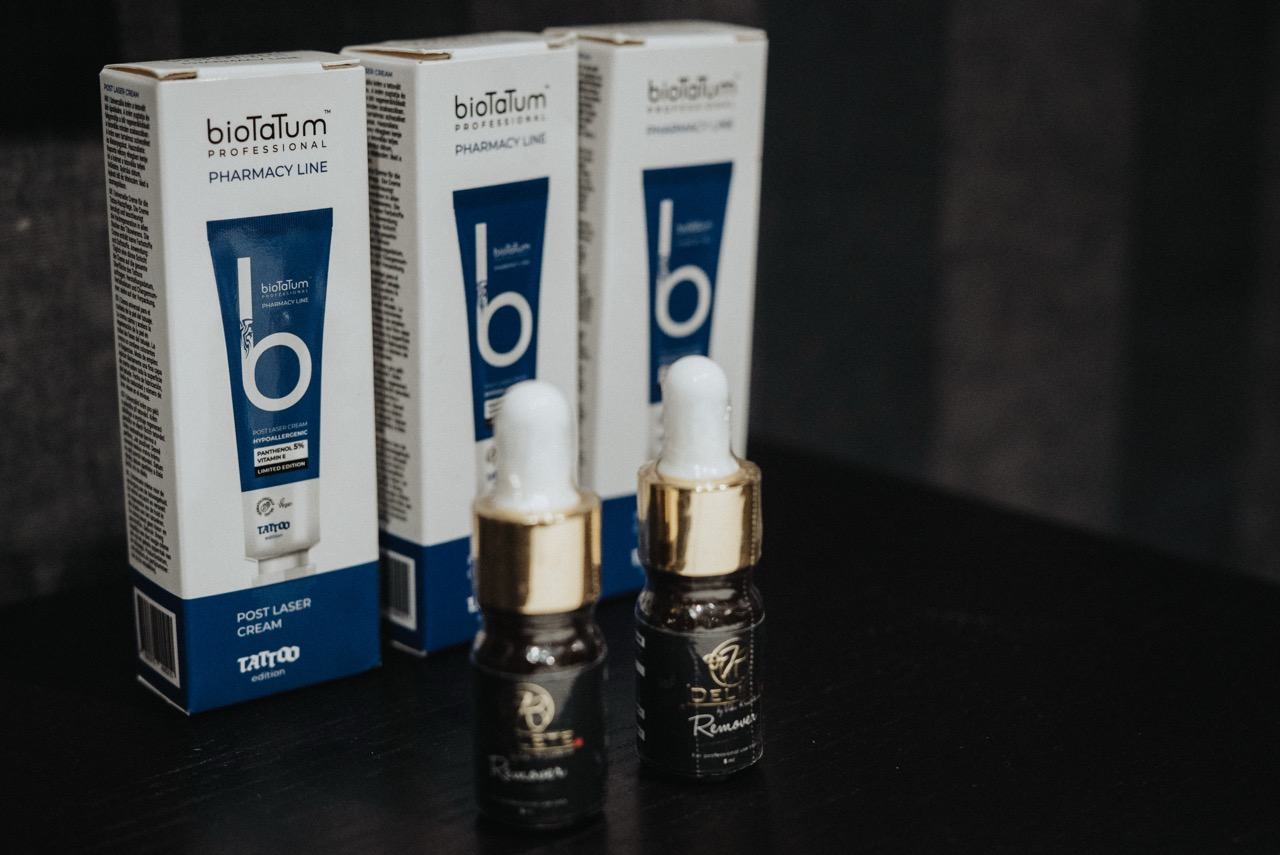
Working with a remover requires understanding how pigment behaves in the skin and what processes occur within the dermis. The solution is introduced at a specific depth, where it interacts with pigment particles and promotes their gradual removal.
Before starting the procedure, the specialist analyzes key factors that influence the process:
- pigment depth
- its density and composition
- individual skin characteristics
This analysis allows for a well-structured approach and helps avoid excessive impact.
 Create a design in the VEAN TATTOO AI generator
Theoretical Training
Training begins with building an understanding of the processes that form the foundation of the method.
This enables specialists to work consciously and make informed decisions.
The theoretical program includes key topics:
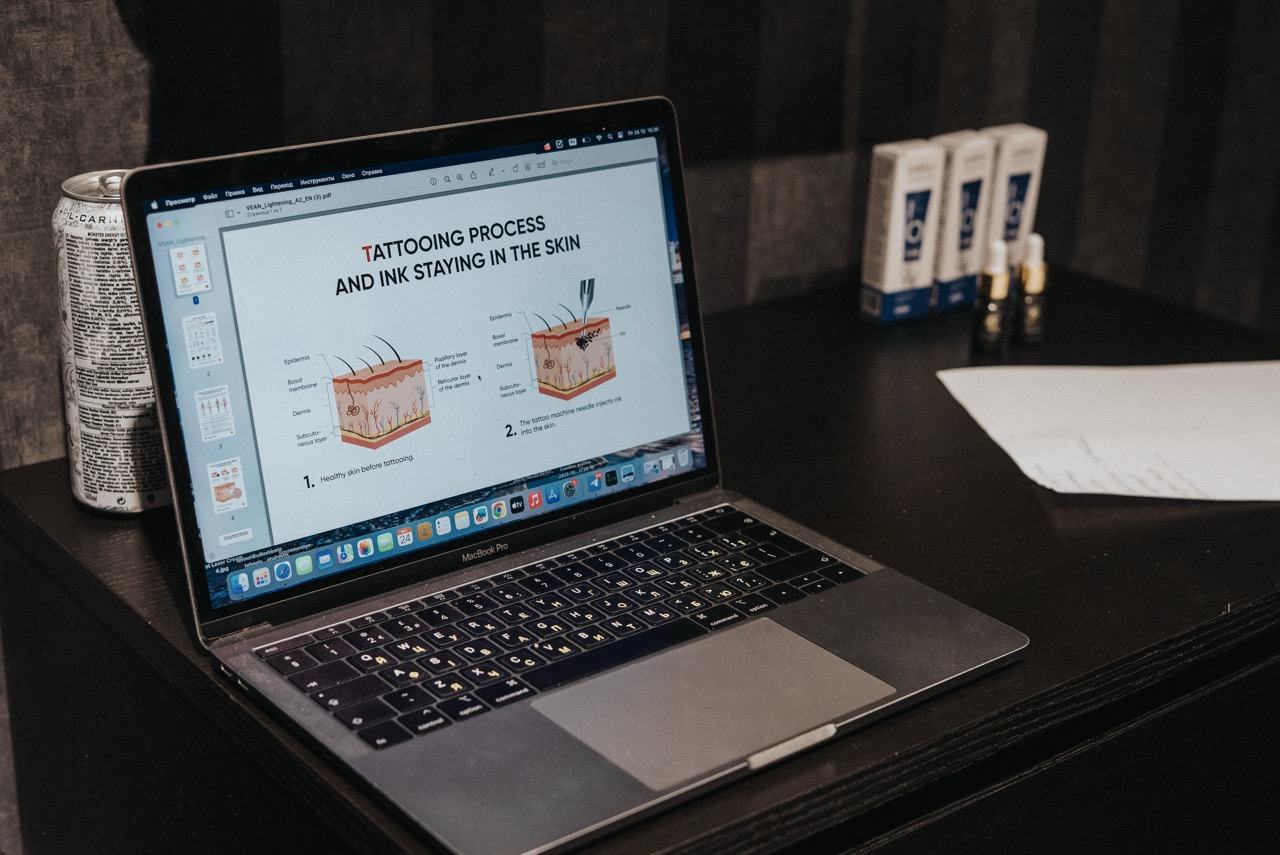
- skin structure and layer characteristics
- pigment retention mechanisms
- types of removers and their properties
- principles of pigment lightening
- stages of skin regeneration
- interaction with different pigment types
- indications and limitations
- possible skin reactions and their management
- basic hygiene principles
This stage helps explain why results may vary and how they can be influenced.
Additional focus is placed on factors affecting the speed and outcome of lightening, such as pigment density, depth, and age.


Practical Training
The practical part is designed so participants can immediately apply their knowledge and see real results.
Training takes place on models under instructor supervision.
During practice, participants:
- conduct consultations and analyze the treatment area
- assess pigment condition
- select the appropriate technique
- control the depth of application
- practice even and consistent work
- provide aftercare recommendations
This approach helps participants gain confidence and better understand skin response.
Special attention is given to proper handling during the healing phase and minimizing the risk of complications.
Working with Models
Independent practice is the stage where confidence and process awareness are developed. Under mentor supervision, participants learn not only to perform actions, but to analyze them.
At this stage, specialists:
- improve movement precision
- control depth of impact
- observe the healing process
- plan a course of procedures
This helps to understand how results develop over time.
Learning Outcomes
By the end of the course, participants gain not only practical skills but also a structured understanding of the method.
This allows them to work more flexibly and accurately.
After training, a specialist:
- understands pigment lightening processes
- works with different skin types
- controls treatment intensity
- reduces the risk of complications
- guides clients throughout the entire process
This level of preparation helps achieve more stable and predictable results.
Conclusion
Remover-based lightening is a process that requires precision, consistency, and an understanding of skin behavior. Training in Daugavpils helps specialists build a comprehensive approach, allowing them to confidently manage results and adapt to different professional tasks.


